
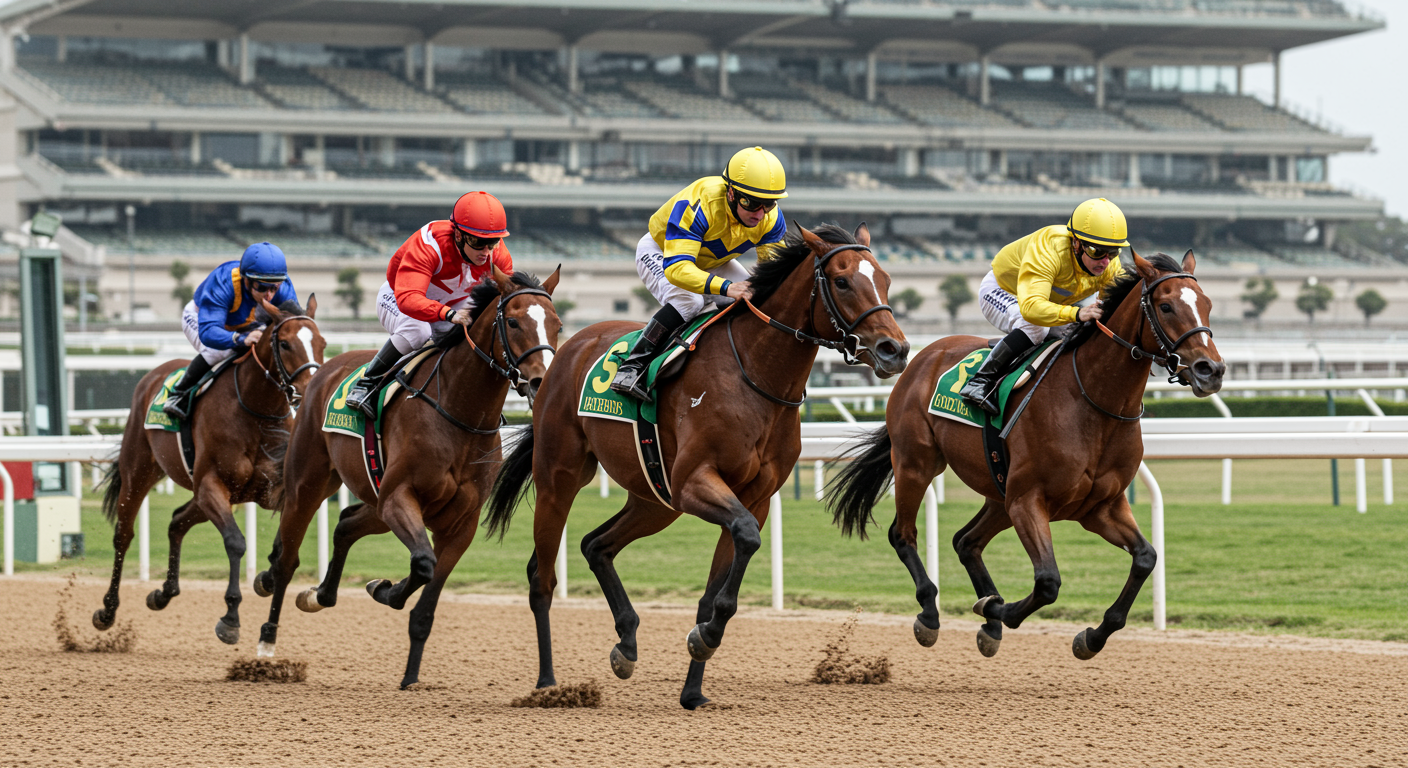
Parimutuel betting stands as the cornerstone of legal sports wagering in India, representing the only sanctioned form of sports betting available to Indian enthusiasts. This unique betting system has deep roots in Indian horse racing culture, tracing back to the colonial era when the totalisator system was first introduced at major racecourses across the country.
Unlike other forms of gambling that remain largely prohibited under Indian law, parimutuel betting enjoys special legal protection due to its classification as a game of skill rather than pure chance. Understanding the intricate mechanisms of pool betting, payout calculations, and the regulatory framework is essential for anyone looking to participate in this time-honored tradition that continues to thrive at racecourses from Mumbai to Kolkata.
What is Parimutuel Betting?
Parimutuel betting, also known as the totalisator system or simply “tote,” is a pooled wagering system where all bets of a particular type are placed into a collective pool. Rather than betting against a bookmaker at predetermined odds, bettors essentially wager against each other, with the final payouts determined by the total amount wagered and the number of winning tickets.
The fundamental principle behind parimutuel pools involves aggregating all wagers, deducting a predetermined takeout percentage for track operations and taxes, then dividing the remaining pool among winning bettors proportionally. This creates a dynamic odds system where the final payout odds are not known until betting closes, making it distinctly different from traditional bookmaker operations.
In India, this system has been refined over decades to accommodate local betting preferences and regulatory requirements. The beauty of parimutuel betting lies in its transparency – every rupee wagered is accounted for, and the house edge is clearly defined through published takeout rates.
The totalisator system ensures that larger pools generally offer better value for bettors, as the fixed takeout percentage represents a smaller proportion of potential winnings when more money is wagered. This creates an incentive for bettors to participate in popular races with substantial prize pools, contributing to the excitement and atmosphere of major racing events.
Differences Between Parimutuel and Fixed Odds Betting
| Feature | Parimutuel Betting | Fixed Odds Betting |
|---|---|---|
| Odds Determination | Determined by pool size and winning tickets after race ends | Set by bookmaker before race, locked when bet is placed |
| Risk Distribution | Risk shared among all bettors in the pool | Bookmaker assumes all liability for payouts |
The comparison reveals why parimutuel betting offers unique advantages in terms of potential payouts, especially when backing longshot winners with few supporters in the betting pool.
Key Terms in Parimutuel Betting
- Pool: The total amount of money wagered on a specific bet type for a particular race
- Takeout Rate: The percentage deducted from each pool to cover track operations, taxes, and purse contributions
- Dividend: The payout amount returned to winning bettors, typically expressed per rupee wagered
- Favorite: The horse with the lowest odds based on betting pool distribution
- Longshot: A horse with high odds due to receiving minimal betting support
- Dead Heat: A tie finish that results in shared payouts among winning selections
The Legal Framework for Horse Racing Betting in India
Horse racing betting in India operates under a complex but well-established legal framework that dates back to the colonial period. The legal foundation rests primarily on state legislation, as gambling falls under the concurrent list of the Indian Constitution, allowing both central and state governments to regulate the activity.
Most Indian states have enacted specific laws that exempt horse racing from general gambling prohibitions, recognizing it as a game involving substantial skill in analyzing form, breeding, track conditions, and jockey performance. The Bombay Wager Act of 1887, still in effect in Maharashtra, provides the template that many other states have followed in crafting their horse racing regulations.
The regulatory oversight is typically managed by state turf authorities and racing clubs, which are granted licenses to conduct parimutuel betting operations. These bodies ensure compliance with taxation requirements, maintain integrity standards, and oversee the technical aspects of totalisator operations.
Recent legal developments have also addressed online and off-track betting, with several states updating their legislation to accommodate digital platforms while maintaining strict licensing requirements. The legal status remains secure due to the skill-based nature of horse racing analysis and the transparent, regulated nature of parimutuel pools.
Taxation of winnings varies by state but typically involves deduction at source for significant payouts, with rates ranging from 10% to 30% depending on the amount and local regulations. This transparent tax structure adds to the legitimacy and acceptance of parimutuel betting within India’s legal gambling landscape.
Major Racing Clubs and Totalisator Operations
| Racing Club | Location | Totalisator Presence | Key Notes |
|---|---|---|---|
| Royal Western India Turf Club | Mumbai | Full Operations | Largest pools, online betting available |
| Royal Calcutta Turf Club | Kolkata | Full Operations | Historic venue, diverse bet types |
| Bangalore Turf Club | Bangalore | Full Operations | Modern facilities, growing pools |
| Madras Race Club | Chennai | Full Operations | Southern India hub, consistent racing |
| Hyderabad Race Club | Hyderabad | Limited Operations | Seasonal racing, smaller pools |
How Parimutuel Betting Pools Work
The mechanics of parimutuel pools follow a systematic process that ensures fairness and transparency for all participants. When bettors place wagers on a particular race, their money goes into specific pools based on the type of bet – win bets go into the win pool, place bets into the place pool, and so forth.
As betting continues throughout the wagering period, the pools grow larger, and electronic displays show approximate odds based on the current distribution of money. These odds fluctuate constantly as new bets are placed, providing bettors with real-time information about the popularity of different horses.
Once betting closes at race start, the pools are locked, and no further wagers can be accepted. After the race concludes and results are official, the calculation process begins immediately. The track’s computer system determines the exact payout by dividing the net pool (after takeout) by the number of winning betting units.
The beauty of this system lies in its mathematical precision and transparency. Every calculation can be verified, and the results are immediately displayed for public scrutiny. This level of openness has contributed significantly to the trust and longevity of parimutuel betting in India.
Typical Parimutuel Pool Flow Example
| Step | Description |
|---|---|
| Bet Collection | All wagers of same type collected into single pool until race starts |
| Takeout Deduction | Predetermined percentage removed for operations, taxes, and purses |
| Winner Identification | Race results determine which tickets are winners |
| Payout Calculation | Net pool divided by winning units to determine dividend |
| Distribution | Winners collect proportional share of pool based on stake |
Factors Affecting Final Payouts
- Total Pool Size: Larger pools generally provide better value as the fixed takeout represents a smaller percentage of potential individual winnings
- Number of Winning Tickets: Fewer winners mean higher individual payouts from the same net pool amount
- Takeout Rate: Lower takeout percentages leave more money in the pool for distribution to winners
- Betting Distribution: Uneven money distribution creates opportunities for higher payouts on less popular selections
- Minimum Payout Rules: Tracks may have minimum dividend policies that can affect final calculations in small pools
Common Types of Parimutuel Bets in India
| Bet Type | How it Works | Typical Minimum Stake | Popularity |
|---|---|---|---|
| Win | Horse must finish first | ₹10 | Very High |
| Place | Horse must finish first or second | ₹10 | High |
| Forecast | Pick first two horses in exact order | ₹10 | Medium |
| Tricast | Pick first three horses in exact order | ₹10 | Low |
| Jackpot | Pick winners of designated consecutive races | ₹20 | Medium |
| Super Jackpot | Pick winners of all races on card | ₹20 | Low |
| Treble | Pick winners of three designated races | ₹10 | Medium |
The diversity of bet types caters to different risk appetites and skill levels, from straightforward win bets for beginners to complex multi-race wagers for experienced handicappers. Each bet type maintains its own separate pool, ensuring that money wagered on different bet types doesn’t cross-contaminate the odds calculations.
Special Indian Bet Types: Kenchi, Tanala, Accumulator
- Kenchi: A unique Indian bet requiring selection of the winner and runner-up in any order, offering better odds than place bets while being easier than exact forecasts
- Tanala: A progressive bet where winnings from one race automatically carry forward to the next designated race, creating potentially massive payouts from small initial stakes
- Accumulator: Similar to international pick-six bets, requiring winners in four to six consecutive races with carryover provisions when no one wins
- Bangalore Super Mile: A special bet available only during major Bangalore racing festivals, combining elements of jackpot and tricast betting
- Monsoon Treble: Seasonal bet offered during monsoon racing season, with enhanced payouts and special bonus provisions for hitting all three legs
Step-by-Step Guide: How to Place a Parimutuel Bet in India
- Arrive Early and Study Form: Get to the track at least 30 minutes before first race, purchase racing form guides and study horse performance, jockey records, and track conditions
- Understand the Betting Menu: Review available bet types for each race, noting minimum stakes and any special pool carryovers from previous racing days
- Complete Your Betting Slip: Fill out the official betting slip clearly, marking race number, horse number or name, bet type, and stake amount
- Visit the Tote Counter: Present your completed slip and payment to the totalisator window before betting closes, typically 2-3 minutes before race start
- Receive and Verify Ticket: Check your printed ticket immediately for accuracy of race, horse, bet type, and amount before leaving the counter
- Monitor Race and Results: Watch the race unfold and wait for official results to be declared before any payouts are calculated
- Collect Winnings: Present winning tickets at payout windows within the specified time limit, usually before the end of racing day or within 30 days
The process remains fundamentally the same whether betting on-track or through authorized online platforms, though digital systems offer additional convenience features like saved selections and automatic payout processing.
First-time bettors should start with simple win or place bets to understand the system before progressing to more complex wagers. The social aspect of track betting also provides opportunities to learn from experienced punters and track regulars.
Offline vs Online Parimutuel Betting Experience
| Aspect | Offline (On Track) | Online/Off-track |
|---|---|---|
| Atmosphere | Full race day experience with crowd energy and live commentary | Convenient home betting with video streaming and digital tools |
| Betting Process | Manual slip completion and counter interaction required | Digital selection with instant confirmation and saved preferences |
| Information Access | Physical form guides and tip sheets available for purchase | Comprehensive digital form analysis and statistical databases |
Tips for First-Time Parimutuel Bettors in India
- Start Small: Begin with minimum stakes on simple win or place bets to understand pool dynamics before risking larger amounts
- Learn to Read Pool Sizes: Larger pools generally offer better value and more accurate odds representation than smaller pools
- Understand Takeout Impact: Factor in the track’s takeout rate when calculating potential returns – higher takeout rates mean lower net payouts
- Watch for Value Opportunities: Look for horses whose true chances seem better than their pool odds suggest, indicating potential overlay situations
- Manage Expectations: Remember that parimutuel payouts can be unpredictable, especially in small fields or when favorites win
Understanding Takeout Rates and Payout Calculations
Takeout rates represent the percentage of each betting pool that tracks retain to cover operational expenses, purse contributions, and government taxes. In India, these rates vary by bet type and track, typically ranging from 16% to 24% across different wagering categories.
Win and place bets generally carry the lowest takeout rates, usually between 16-18%, making them the most favorable for bettors from a mathematical perspective. More exotic bets like tricasts and jackpots often have higher takeout rates of 20-24%, reflecting their higher operational complexity and potentially larger payouts.
The calculation process begins immediately after race results become official. The track’s computer system takes the gross pool amount, deducts the takeout percentage, then divides the remaining net pool by the number of winning betting units to determine the dividend per rupee wagered.
Understanding this process helps bettors make informed decisions about which bet types offer the best value. The transparency of takeout rates, which are published in racing programs and posted at betting windows, allows skilled bettors to factor these costs into their handicapping strategies and bankroll management approaches.
Sample Payout Calculation
| Example Scenario | Amount Bet | Takeout | Pool Remaining | Payout per ₹1 |
|---|---|---|---|---|
| Win Pool with ₹50,000 total, ₹5,000 on winner | ₹50,000 | ₹8,500 (17%) | ₹41,500 | ₹8.30 |
Advantages and Disadvantages of Parimutuel Betting
- Transparency and Fairness: All money wagered is accounted for and distributed according to published rules, eliminating bookmaker manipulation
- No Betting Limits: Large stakes are welcomed as they increase pool sizes and potentially improve odds for other bettors
- Potential for Large Payouts: Longshot winners can generate massive returns when few bettors support them
- Legal Security: Fully regulated and legal form of sports betting in India with established consumer protections
- Dynamic Odds: Real-time odds changes reflect true market sentiment and can reveal valuable information about horse chances
- Uncertain Final Odds: Payouts unknown until betting closes, making it difficult to calculate exact risk-reward ratios
When Parimutuel Betting Favors the Bettor
Parimutuel systems tend to favor skilled bettors most when betting pools are inefficient, meaning the odds don’t accurately reflect the true probabilities of outcomes. This commonly occurs in smaller fields where casual bettors may overbet obvious favorites while overlooking legitimate contenders with solid winning chances.
Large festival race days often present the best opportunities, as recreational bettors inflate pools with uninformed money, creating overlays on horses that astute handicappers identify as having better chances than their odds suggest. The key is developing the skill to spot these discrepancies and capitalize on them systematically.
Common Pitfalls and How to Avoid Them
- Chasing Large Payouts: Avoid constantly betting longshots just for big payouts – focus on value regardless of odds range
- Ignoring Takeout Impact: Always factor takeout rates into your profit calculations and bet selection process
- Betting Beyond Bankroll: Set strict spending limits and stick to them regardless of winning or losing streaks
- Following Crowd Sentiment: Popular betting choices often represent poor value due to pool inefficiencies
- Neglecting Form Study: Successful parimutuel betting requires thorough preparation and analysis, not just luck
Recent Developments, Trends, and the Future of Parimutuel Betting in India
The landscape of parimutuel betting in India has undergone significant transformation in recent years, driven primarily by technological advancement and evolving regulatory attitudes. Online platforms have expanded access beyond traditional track attendance, allowing bettors from across the country to participate in major racing events regardless of geographic location.
Digital innovation has introduced sophisticated features like mobile betting apps, live streaming integration, and advanced form analysis tools that enhance the betting experience. These platforms maintain the same parimutuel pool structure as on-track betting while offering convenience and additional functionality that appeals to younger demographics.
Regulatory discussions continue around interstate wagering compacts and standardization of taxation across different states. Several states are exploring legislation that would allow their residents to participate in parimutuel pools from other jurisdictions, potentially creating larger, more liquid betting markets.
The integration of international wagering technology and potential partnerships with global racing organizations could further expand the scope and sophistication of Indian parimutuel operations. Industry stakeholders are optimistic about sustained growth driven by increased digitization and broader legal acceptance of skill-based wagering activities.
Emerging Digital Platforms and Innovations
- Mobile-First Interfaces: Apps designed specifically for smartphone usage with touch-optimized bet placement and account management
- Live Streaming Integration: High-quality race broadcasts synchronized with real-time betting functionality and instant result notifications
- Advanced Analytics Tools: Comprehensive form guides, statistical databases, and predictive modeling to assist betting decisions
- Social Features: Community forums, tipster leaderboards, and shared analysis platforms that recreate trackside social atmosphere online
- Multi-Track Wagering: Single platforms offering access to parimutuel pools from multiple racing venues across India